The hardest part of senior care usually isn’t choosing a home — it’s the first conversation. Most families who tour Harbor View tell us the same thing: they waited months to bring it up because they didn’t know how. Here is what we’ve seen work, drawn from years of sitting across the kitchen table from families having exactly this conversation.
Start earlier than feels necessary
The best conversations happen before a crisis — before the fall, before the hospitalization, before the night-time wandering starts. When the conversation starts early, your parent participates in the decision instead of having it made for them. That difference shapes how they feel about the move for years afterward.
Lead with what stays the same, not what changes
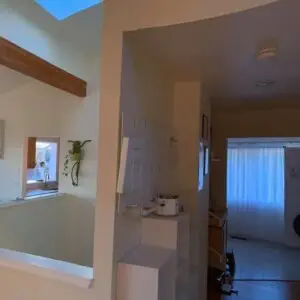
“You’ll have your own room. Your quilt comes with you. You’ll still have coffee at 7 like always.” An adult family home is a real house in a real neighborhood — six residents, a kitchen that smells like dinner, a porch. For many parents, seeing that it is a home — not a facility with long corridors — changes the conversation entirely. This is one reason we encourage families to tour before deciding anything: the picture in most people’s heads is a 100-bed institution, and that picture is wrong.
Name the real worry out loud
Most resistance isn’t about the place — it’s about loss: of independence, of the house, of being “someone who doesn’t need help.” It helps to say that directly: “I know this feels like giving something up. I’m not trying to take anything from you — I’m trying to make sure you’re safe and not alone.” Naming it lowers the temperature.
Bring a third voice
Parents often hear the same words differently from a doctor, a pastor, or a trusted friend than from their own child. If your parent’s physician has raised concerns about living alone, ask them to say so plainly at the next visit. Hospital discharge planners and social workers can play the same role after a hospitalization.
Make the first visit low-stakes
Don’t frame the first tour as a decision. Frame it as information: “Let’s just look, so we know what’s out there.” At Harbor View, some of our residents visited three or four times — first for coffee, later for lunch — before anyone talked about moving in. That’s normal, and any good home will welcome it.
What to do when the answer is still no
Unless safety makes the decision urgent, “no” usually means “not yet.” Keep the door open, keep visiting homes casually, and revisit after the next change in health or another winter alone. Families are often surprised how differently the conversation goes six months later.
If you’re at the beginning of this conversation and want to talk it through with someone who has it weekly, call us. No pressure — we’re happy to share what has worked for other Tacoma families, even if Harbor View isn’t the right fit for yours.